
Gold Jewelry


Jeulia Gold Leaf Kite Cut Moss Agate Engagement Ring
$129.00


Jeulia Custom Trinity Necklace with Dancing Birthstone
$105.00$149.00

Jeulia Art Deco Asscher Cut Wedding Band for Women
$109.00

Jeulia Custom Classic Round Cut Heart Rose Necklace
From $109.00

Jeulia "Love Entwined" Minimalist Twisted Gold Couple Ring Set
$214.00
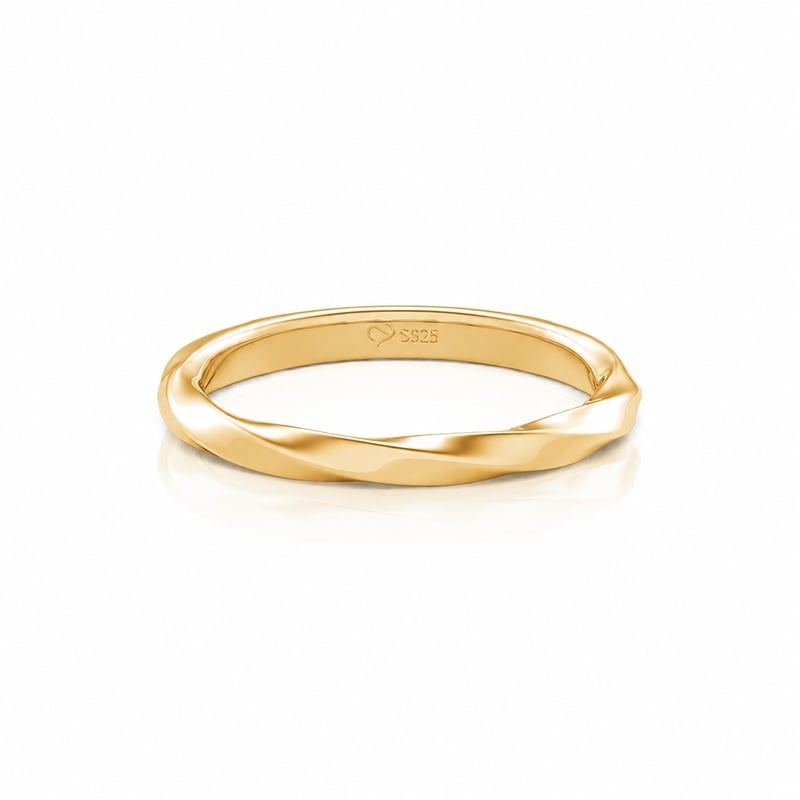
Jeulia "Love Entwined" Twisted Gold Men's Wedding Band
$119.00

Jeulia Minimalist Three Stone Oval Promise Ring
$119.00

Jeulia Custom Heart Mother and Daughter Necklace Set
$258.00

Jeulia Vintage Three Stone Oval Briar Rose Engagement Ring
$135.00

Jeulia Two-Tone Pave Heart Cross Necklace Sterling Silver
$129.00

Jeulia Petland Custom Name Heart & Paw Photo Projection Necklace
$165.00$220.00

Jeulia Lotus Marquise Cut Engagement Ring Set
$169.00

Jeulia Simple Twisted Gold Couple Ring Set Sterling Silver
$163.20$204.00

Jeulia Simple Mobius Gold Wedding Band for Men
$129.00

Jeulia Classic Gold Round Cut Gold Angel Wings Promise Ring
$109.00
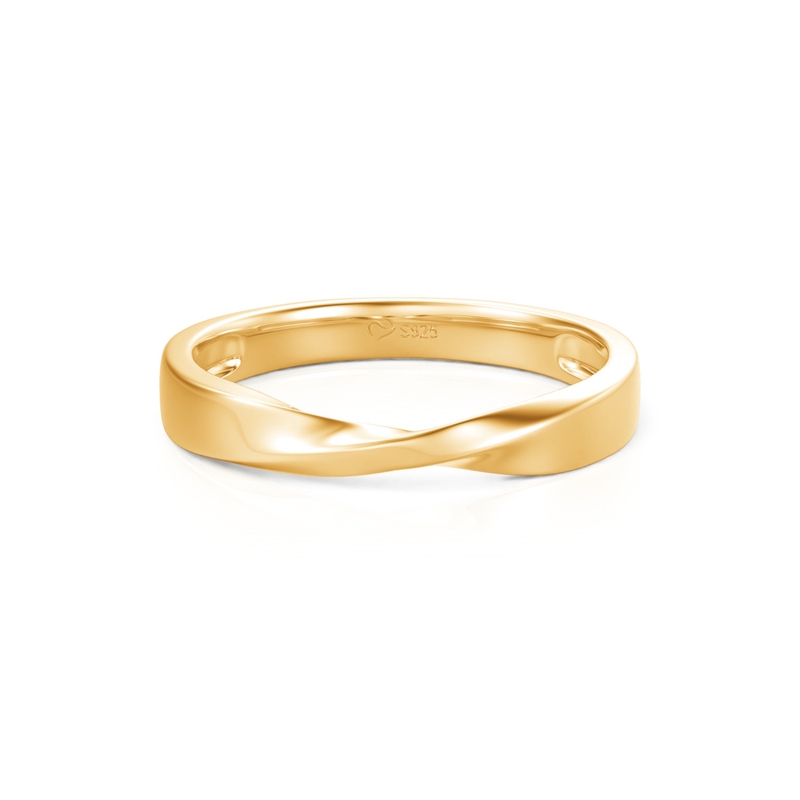
Jeulia Simple Twisted Gold Wedding Band for Men
$109.00
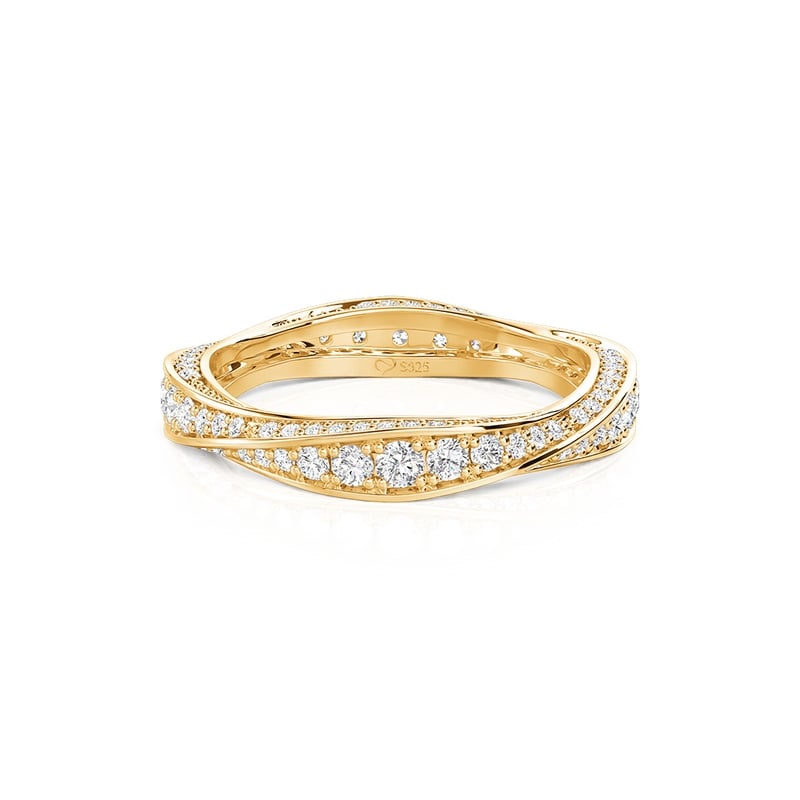
Jeulia Mobius Gold Gradient Pavé Wedding Band for Women
$119.00
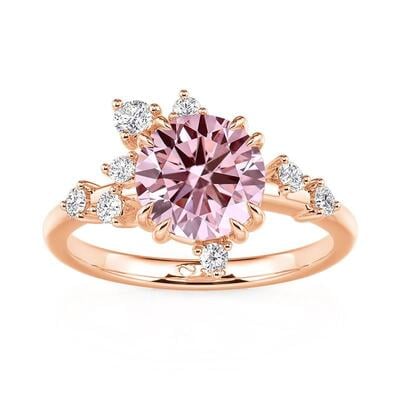
Jeulia Simple Rose Gold Round Cut Pink Stone Engagement Ring
$165.00
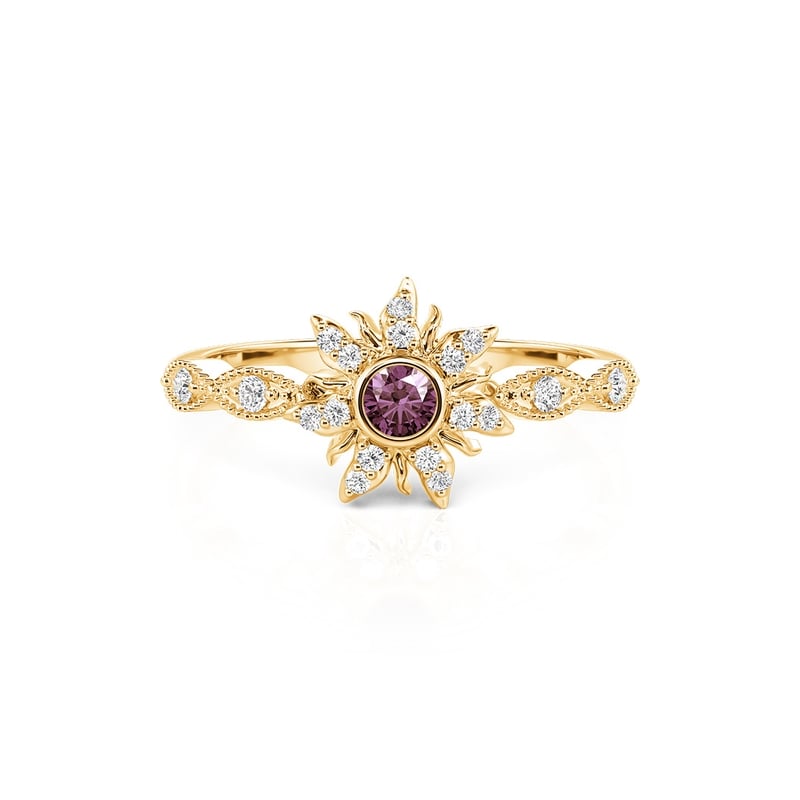
Jeulia Golden Flower Beaded Edge Ring Sterling Silver
$119.00$129.00

Jeulia Rainbow Pavé Round Cut Wedding Band for Women
$109.00

Jeulia Custom Vintage Heart Photo Locket Necklace
$189.00

Jeulia Simple Twisted Pave Gold Wedding Band for Women
$95.00

Jeulia Custom Mother-Child Heart Locket Necklace with Birthstone
$169.00
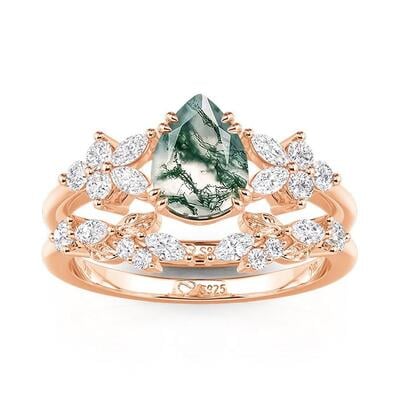
Jeulia Rose Gold Pear Cut Moss Agate Ring Set
$165.00

Jeulia Minimalist Mobius Gold Wedding Bands for Couples
$248.00

Jeulia Tri-Color Geometric Wedding Band in Sterling Silver
$225.00

Jeulia Custom New Mom Necklace with Heart Birthstone
$175.00

Jeulia "Heart to Heart" Custom Engagement Ring with Birthstone and Engraving
$119.00$149.00
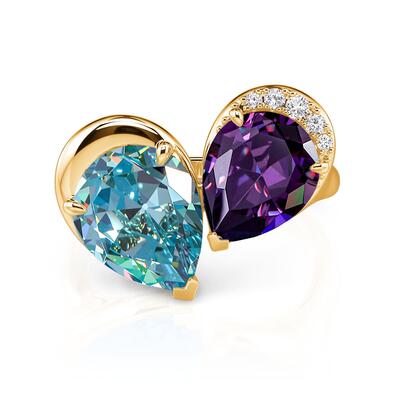
Jeulia Elegance Double Pear Toi et Moi Cocktail Ring
$175.00$225.00
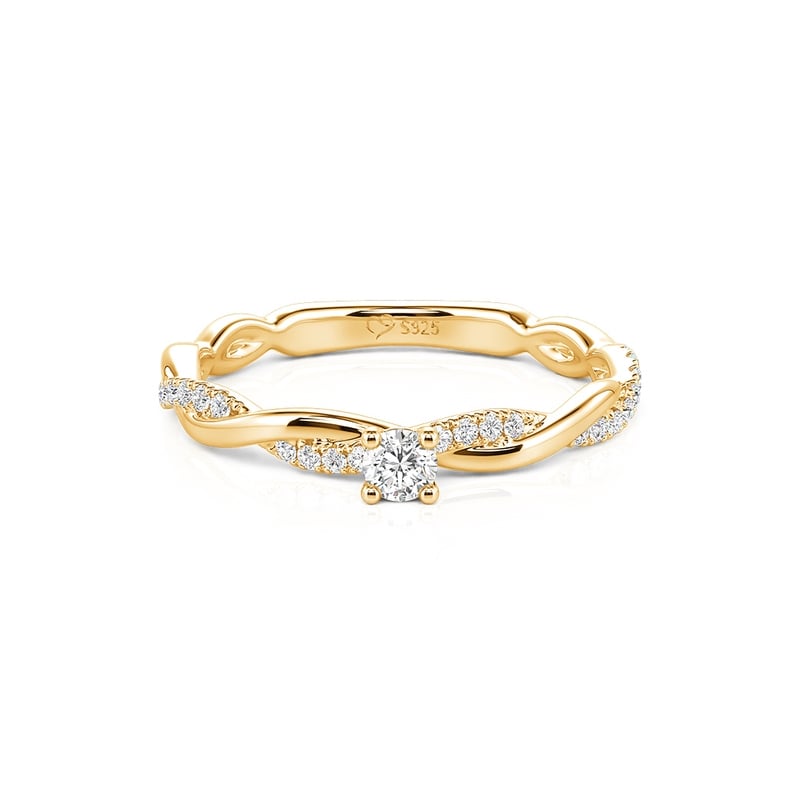
Jeulia Minimalist Twist Round Cut Engagement Ring
$95.00
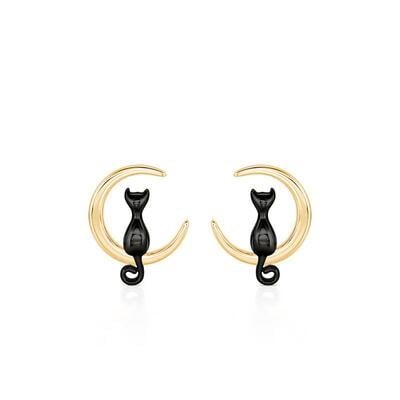
Jeulia Black Cat and Moon Gold Stud Earrings
$85.00$119.00
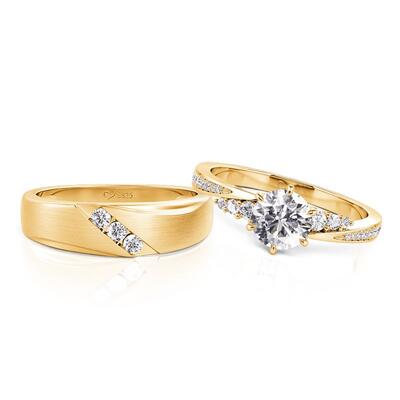
Jeulia Classic Twist Gold Matching Couple Rings Set
$179.20$224.00
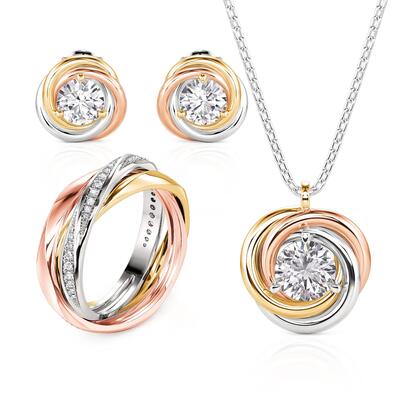
Jeulia Tricolor Trinity Jewelry Set Sterling Silver
$389.00
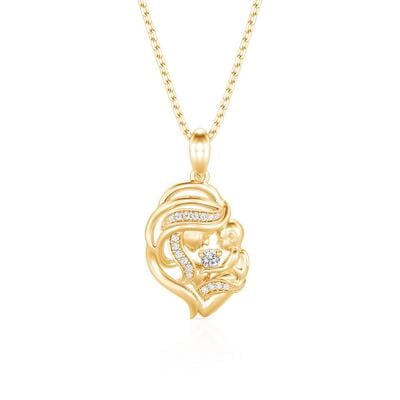
Jeulia Custom Birthstone Gold Mother and Child Necklace
$99.00


Gold Jewelry
Gold's appeal is no accident. Its brilliant, warm glow complements all skin tones, making it a universally flattering choice. It’s incredibly durable and doesn’t tarnish, rust, or corrode, meaning a piece of gold jewelry you buy today can be worn and adored for a lifetime. In the US, gold jewelry is deeply woven into our cultural fabric:
Sentimental Value: Engagement rings, wedding bands, christening bracelets, and milestone birthday gifts are often crafted in gold, symbolizing love and commitment that, like the metal itself, is meant to last.
A Form of Investment: While you should always buy jewelry you love, gold has intrinsic value. It’s a tangible asset that can be a smart part of a diverse portfolio, especially during times of economic uncertainty.
A Statement of Style: Whether you’re drawn to the minimalist chic of a simple gold chain or the bold artistry of a statement cocktail ring, gold jewelry is a versatile tool for self-expression.
The American gold scene is wonderfully diverse, blending classic with contemporary.
The Layered Look: Don’t choose just one necklace! Layering delicate chains of varying lengths and styles is a huge trend. Mix a simple bezel pendant with a personalized nameplate and a vintage-inspired locket for a curated, personal effect.
Statement Hoops: From thin and minimal to large and sculptural, hoops are a forever favorite. They instantly elevate any outfit, from a simple t-shirt to an elegant evening gown.
Chunky Chains: Inspired by both 70s glam and 90s nostalgia, bold link chains and bracelets are making a major comeback. They’re a confident, stand-alone piece that commands attention.
Personalized Pieces: Jewelry that tells your story is more popular than ever. Stackable rings with initials, bracelets with birthstone accents, and custom-engraved pendants allow you to wear your history close to your heart.
Sustainable & Vintage: Modern consumers are increasingly seeking out vintage, antique, and ethically sourced gold jewelry. There’s a growing appreciation for the unique craftsmanship and story behind a piece from another era.
Read More